
Foreign friends often laugh when I warn them about Korean winter in the middle of a humid August. Then January comes, the wind cuts down between the apartment buildings, and suddenly they're texting me asking why their floor is warm but their gas bill just tripled. Heating here works differently from almost anywhere else, so let me explain it the way I wish someone had explained it to me when I first lived alone.
Meet Ondol, the Heated Floor
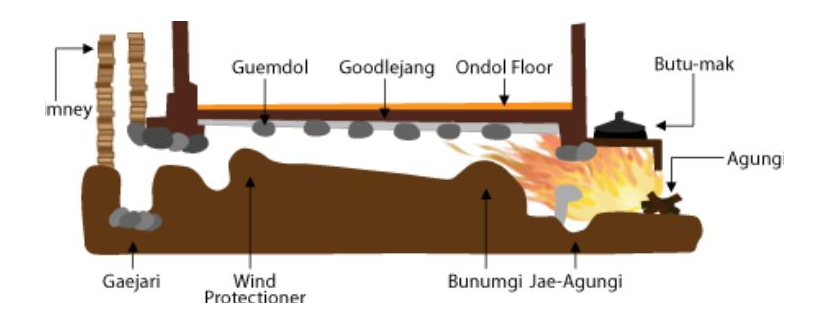
Korea doesn't heat the air, it heats the floor. The system is called ondol (온돌), and it's been the Korean way of staying warm for centuries. Modern versions run warm water through pipes under the floor, so the heat rises gently through the whole room. It's genuinely wonderful — warm feet, no blasting vents, and it's why Koreans sit and sleep comfortably on the floor.
The control panel on your wall (보일러 조절기) runs the boiler. That's the heart of the whole thing, and learning to use it well is the difference between cozy and broke.
The Two Boiler Modes That Confuse Everyone
Most boiler panels have two ways to run, and mixing them up is the classic newcomer mistake:
- 온돌 / 실내 (room temperature mode): You set a target room temperature and the boiler cycles to hold it. Best for when you're home and want steady warmth.
- 예약 (timer/reservation mode): The boiler runs for a set number of minutes each hour — say 10 minutes on, 50 off. This is the secret weapon for keeping bills down when you're out or asleep. It keeps the floor from going stone cold without heating an empty apartment full-blast.
There's also a 외출 (away) button for when you leave for a few days. It keeps the pipes from freezing without really heating the place. Use it for trips, not for daily life, or you'll come home to a cold apartment.
Why Gas Bills Explode (and How to Avoid It)
Most Korean heating runs on city gas (도시가스), and a poorly managed winter can turn a ₩30,000 summer bill into ₩150,000 or more in January. Here's how I keep mine reasonable:
- Heat the floor, not the air, and dress for it. Slippers and warm socks let you set a lower temperature comfortably.
- Use 예약 (timer) mode overnight and when you're out rather than leaving it running full.
- Don't crank it to 30°C to heat faster. It doesn't warm the room any quicker, it just burns more gas. Set your real target and leave it.
- Close doors to unused rooms so you're not heating space you don't sit in.
Old Buildings and the 외풍 Problem
Many one-rooms and older buildings have what Koreans call 외풍 (oepung) — drafts that sneak through thin windows and doors. The floor can be toasty while cold air pours off the glass. Cheap fixes that genuinely work:
- Bubble wrap or insulation film on the windows (뽁뽁이) — sold at any Daiso for a few thousand won, and it makes a real difference.
- Draft strips around door and window edges.
- A thick rug if your floor is the cold-tile kind rather than heated.
A Few Survival Extras
- An electric blanket or heating pad is far cheaper to run than blasting the boiler all night.
- Koreans swear by the 온수매트, a warm-water mattress pad, for exactly this reason.
- Keep an eye out for the winter energy voucher some residents qualify for, and remember gas bills can be paid easily through bank auto-transfer so you never miss one.
Once you understand ondol and treat that boiler panel with a little respect, Korean winter goes from intimidating to genuinely cozy. There's not much better than a warm floor while the snow comes down outside — you just don't want to pay for the whole neighborhood's heat while you enjoy it.


