
A foreign friend once forwarded me a photo of her first NHIS premium bill, convinced it was a mistake — she wasn't even employed at the time, so why was she being charged? That little moment of confusion is the reason I'm writing this. Korean health insurance is one of the best deals you'll find anywhere, but the way you get enrolled and billed catches almost every newcomer off guard. Here's what's actually going on.
You're Probably Already Enrolled (or About to Be)
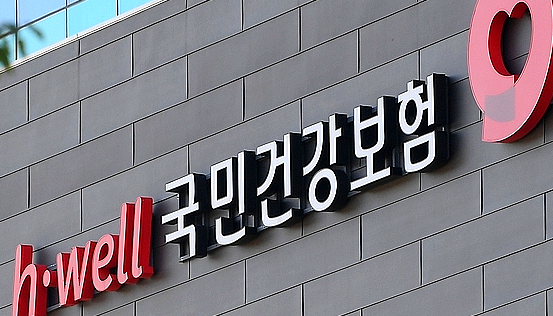
National Health Insurance (국민건강보험, NHIS) is mandatory for foreign residents staying in Korea for six months or more. It's not optional, and you don't really "shop" for it — once you qualify, you're enrolled, either automatically or through a quick registration. The good news is that it's genuinely one of the best healthcare deals in the world: a routine doctor's visit often costs less than a coffee and a sandwich.
Understanding how it works — and how much you'll pay — saves you from nasty surprises when your first premium bill arrives.
Two Ways You're Covered
Employer-Based (직장가입자)
If you work for a Korean company, you're a workplace subscriber. Your premium is deducted automatically from your paycheck, and — this is the good part — your employer pays half. You don't have to do anything to enroll; your company's HR handles the registration when you start.
Local / Regional Subscriber (지역가입자)
If you're not employed by a Korean company — freelancers, some students, dependents, remote workers, those between jobs — you're a regional subscriber. You pay the premium yourself, and NHIS calculates it based on your income and assets in Korea.
Long-term residents who aren't covered through an employer are typically enrolled as regional subscribers automatically once they pass the six-month mark, and premium bills start arriving by mail.
How Much You Actually Pay
For workplace subscribers, the premium is roughly 3.5% of your salary, with your employer matching that amount. So if your premium share is ₩120,000, your employer quietly pays another ₩120,000 on top.
For regional subscribers, it's based on income and property. But there's an important floor: foreign regional subscribers are generally charged at least a minimum premium of around ₩140,000 per month, even with little or no declared income in Korea. This catches some people off guard, so budget for it.
You can check or pay your premium through the NHIS website (nhis.or.kr) or app, at a bank, or via automatic transfer (the easiest option — set it up once and forget it).
What's Covered
NHIS covers a broad range of care, paying the majority of the cost while you pay a modest co-pay:
- Doctor visits and consultations — roughly 70% covered
- Hospital stays and surgery — large portions covered, with co-pay caps for serious illness
- Prescription medication — covered through pharmacies
- An annual health check-up — free or heavily subsidized once enrolled
- Some dental and Korean traditional medicine (한의원) — partially covered
What's not fully covered: purely cosmetic procedures, some advanced dental work, and private "premium" room upgrades in hospitals. For most everyday and serious medical needs, though, NHIS does the heavy lifting.
How to Actually Use It
This is the part that surprises newcomers with how simple it is. At a clinic, hospital, or pharmacy, you just present your ARC. The provider looks up your NHIS status, applies the coverage automatically, and you pay only your co-pay portion at the counter.
Typical out-of-pocket costs after insurance:
- A standard clinic visit: ₩5,000–₩15,000
- A common prescription: ₩3,000–₩10,000
- A specialist or small procedure: more, but still a fraction of the unsubsidized price
No paperwork, no claims to file, no waiting for reimbursement. The discount happens at the register.
Getting Your Insurance Card
After enrollment, a physical insurance card can be mailed to you, but in practice you rarely need it — your ARC is enough to verify coverage at almost every clinic and pharmacy. If you want the card or need to confirm your status, you can request it through NHIS customer service or their website.
Tips Worth Knowing
- Don't ignore premium bills. Unpaid NHIS premiums can affect your visa extension or renewal. If a bill arrives, pay it — and set up auto-transfer so you never miss one.
- Use neighborhood clinics (의원) for minor issues. They're faster and cheaper than going straight to a big hospital, and most issues are handled there.
- Public health centers (보건소) are even cheaper. Run by local governments, they offer basic care, vaccinations, and health checks at very low cost.
- Keep your address updated. Bills and cards go to your registered address — update it with immigration and NHIS if you move.
- Carry your ARC. It's your health insurance key as much as your ID.
Once you understand the system, Korean healthcare is fast, affordable, and high quality. The premium is simply part of living here — and in exchange, getting sick in Korea is far less financially stressful than in many other countries.
Official source, last checked June 2026. Premium rates and the minimum charge for foreign subscribers are adjusted periodically — confirm the current figures rather than relying on the numbers above:
- National Health Insurance Service — nhis.or.kr (foreigner helpline: 033-811-2000)
This is general information based on lived experience, not financial or medical advice. For your exact premium and coverage, contact NHIS directly.


